
Lost money to online fraud? You’re not alone, and there’s still hope to recover your funds.
Thousands of Indians fall victim to online scams daily—from fake investment apps to UPI fraud and crypto scams. If you’ve been scammed, your immediate response in the next few hours can make the difference between recovering your money and losing it forever.
This guide is for anyone who has lost money to online fraud and needs to know exactly what to do right now. Whether you lost ₹5,000 or ₹5 lakhs, the steps remain the same, but timing is everything.
You’ll learn how to take immediate action to prevent further loss and why your quick response dramatically increases your chances of getting your money back. We’ll also cover the legal remedies available for money recovery and how expert legal help can maximize your recovery potential. Plus, you’ll discover the essential documentation required for fraud reporting and proven prevention strategies to protect yourself from future scams.
The cyber crime helpline India system is designed to help victims like you, but you need to act fast and follow the right process to report online fraud India effectively.
Take Immediate Action to Prevent Further Loss

Call the Cybercrime Helpline 1930 Within Minutes
When you discover that you’ve fallen victim to online fraud, your first instinct might be to panic, but staying calm and acting fast is crucial for money recovery. The National Cybercrime Helpline Number 1930 should be your immediate point of contact. This helpline operates 24/7 and is specifically designed to handle cybercrime reporting across India.
The moment you realize fraudulent activity has occurred, dial 1930 without delay. The helpline operators are trained to guide you through the initial reporting process and can immediately alert relevant authorities about your case. Most importantly, faster reporting dramatically increases your chances of freezing the scammer’s account before they can withdraw your funds.
Report on Official Portal cybercrime.gov.in
After contacting the helpline, you need to file a formal complaint on the official cybercrime portal at www.cybercrime.gov.in. This online platform serves as the central hub for reporting all types of cyber fraud incidents in India.
When filing your complaint on the portal, ensure you provide complete details including your transaction ID, the fraudster’s phone number, relevant screenshots, and bank statements. The more comprehensive information you provide, the better equipped authorities will be to track down the perpetrators and recover your money. This digital complaint serves as official documentation of your case and triggers the formal investigation process.
Contact Your Bank’s Fraud Department Immediately
Simultaneously with reporting to cybercrime authorities, you must contact your bank’s customer care or visit your nearest branch without delay. Your bank’s fraud department plays a critical role in preventing further losses and initiating the recovery process.
Request your bank to immediately block your account, debit card, or UPI ID that was involved in the fraudulent transaction. Additionally, ask them to place a “hold” on the disputed transaction, which can prevent the funds from being processed further. Banks have specific protocols for handling fraud cases, and their quick response can be instrumental in stopping scammers from accessing your money.
File Written Complaint at Local Cyber Police Station
Now that you have initiated the immediate digital reporting process, you need to approach your local Cyber Crime Police Station to file a formal written complaint or FIR (First Information Report). This physical complaint is essential for legal proceedings and provides an official record of the crime.
When filing your police complaint, mention relevant sections of the Indian Penal Code such as Section 420 (cheating) and sections 66C & 66D of the IT Act which cover identity theft and cheating by personation. A properly documented police complaint strengthens your case and provides the legal foundation necessary for pursuing money recovery through the judicial system.
Understand Why Quick Response Increases Recovery Chances
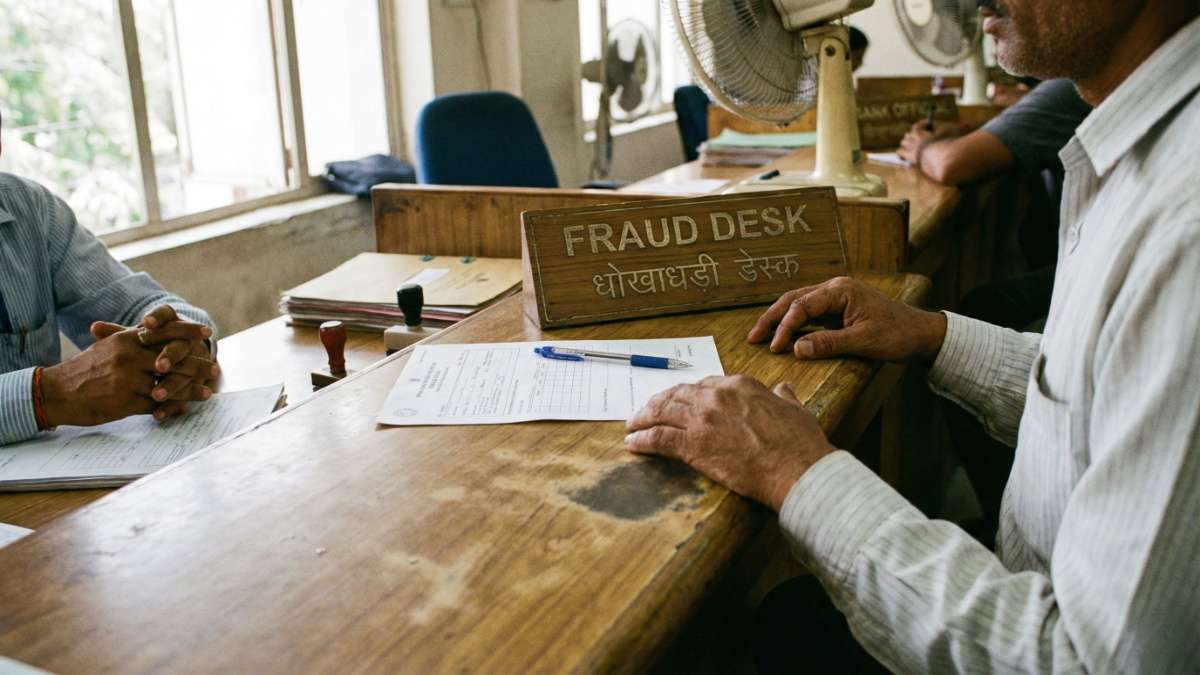
How Fraudsters Move Money Quickly Between Accounts
When you fall victim to online fraud, understanding the speed at which fraudsters operate can help you grasp why your immediate response is crucial. Fraudsters have sophisticated systems in place that allow them to move your stolen funds rapidly across multiple accounts and jurisdictions within hours of receiving them.
In business email compromise scams, for instance, fraudsters often direct victims to transfer money to bank accounts in different countries. Once your funds hit their initial account, they immediately begin the process of moving the money through a complex network of accounts to obscure the trail. This rapid movement makes it increasingly difficult for authorities to trace and freeze your stolen funds as time passes.
The reference cases demonstrate this speed clearly – in one Singapore case, fraudsters received USD 42.3 million on July 19th and had already begun moving portions of it by the time the victim discovered the fraud just four days later on July 23rd. Your stolen money doesn’t sit idle in the fraudster’s account; it’s constantly being transferred, withdrawn, or converted to make recovery more challenging.
Banks Can Freeze Funds Before Withdrawal
Now that you understand how quickly fraudsters move money, you’ll appreciate why banks can be your strongest allies when you report fraud immediately. Financial institutions have the technical capability and legal authority to freeze suspicious accounts before fraudsters can complete withdrawals or transfers.
When you report fraud promptly, banks can implement stop-payment mechanisms that prevent further movement of your funds. The INTERPOL Global Rapid Intervention of Payments (I-GRIP) mechanism demonstrates this effectiveness – authorities were able to freeze USD 39 million in a Timor Leste bank account within just two days of receiving the fraud report from Singapore authorities.
Your quick action triggers a coordinated response between banks across multiple jurisdictions. Financial institutions can communicate with each other through established networks to identify and freeze accounts containing your stolen funds before fraudsters have the opportunity to move them further down the chain. This collaborative approach has proven successful in intercepting hundreds of millions of dollars in illicit funds since 2022.
Delayed Reporting Reduces Recovery Success
With this understanding of how the system works in your favor when you act quickly, you must also recognize that delayed reporting significantly diminishes your chances of successful money recovery. Every hour you wait after discovering the fraud reduces the likelihood that authorities can locate and freeze your stolen funds.
The timeline from the Singapore case illustrates this critical window: the victim transferred money on July 19th, discovered the fraud on July 23rd, and reported it immediately. Because they acted within days rather than weeks, authorities successfully intercepted over USD 41 million. Had the victim waited longer to report, the fraudsters would have had additional time to move the funds through more accounts and potentially convert them to untraceable assets.
Your recovery chances decrease exponentially with each passing day because fraudsters use this time to layer their money laundering activities. They may convert your funds to cryptocurrencies, make cash withdrawals, purchase assets, or transfer money to accounts in jurisdictions with limited cooperation agreements. Speed is crucial in this race against time, with your prompt reporting being the determining factor between successful recovery and permanent loss of your funds.
Legal Remedies Available for Money Recovery

File FIR Under IPC Sections 420, 406, and 384
When you’ve lost money to online fraud, filing a First Information Report (FIR) under specific sections of the Indian Penal Code (IPC) provides your strongest criminal law remedy. You can approach your nearest police station to file an FIR under Section 420 (cheating), Section 406 (criminal breach of trust), and Section 384 (extortion). These sections specifically address the fraudulent activities that cybercriminals commonly employ.
Under Section 154 of the Criminal Procedure Code (CrPC), police are obligated to register an FIR for cognizable offenses. If the police refuse to file your FIR, you have the right to approach a magistrate under Section 156(3) of the CrPC, requesting an investigation. Your FIR serves as an official record of the crime and becomes essential for pursuing legal action or insurance claims for your lost funds.
Use IT Act Sections 66C and 66D for Digital Crimes
Now that we have covered the traditional criminal law provisions, the Information Technology Act, 2000 offers specialized remedies for digital fraud. Section 66C specifically addresses identity theft and impersonation, while Section 66D covers cheating by personation using computer resources. These sections are particularly relevant when cybercriminals have stolen your personal information or created fake identities to defraud you.
You can report violations under these sections through the dedicated government portal at cybercrime.gov.in. The IT Act provides comprehensive coverage for various online fraud scenarios, including phishing scams where fraudsters impersonate legitimate entities to steal your sensitive information like passwords and credit card numbers.

Approach Consumer Court for E-commerce Fraud
Previously, we’ve discussed criminal remedies, but you also have civil options available. Under the Consumer Protection Act, 2019, you can approach Consumer Dispute Redressal Commissions when online fraud involves deficiency in service by online vendors or service providers. This remedy is particularly effective for online shopping scams where you’ve paid for goods that never arrived or received products significantly different from what was advertised.
Consumer courts can award compensation for your financial losses and provide injunctive relief to prevent further fraudulent activities. This avenue is especially useful when dealing with fake online stores or counterfeit websites that mimic legitimate retailers, as you can seek damages while also helping prevent other consumers from falling victim to the same scam.
Contact Banking Ombudsman for Bank-Related Issues
With this in mind, when your online fraud involves banking transactions or payment services, the Banking Ombudsman provides an additional layer of protection. The Reserve Bank of India (RBI) has issued specific guidelines to protect customers from unauthorized transactions, and your liability for such transactions is limited under certain conditions.
You should immediately contact your bank or financial institution to freeze accounts involved in the fraud and request chargebacks for unauthorized credit or debit card transactions. If you’ve made transactions through payment services like PayPal, UPI, or mobile wallets, contact them to report the fraud and request transaction reversals. The Banking Ombudsman can intervene when banks fail to provide adequate support or when you face difficulties in recovering your money through normal banking channels.
How Legal Experts Can Maximize Your Recovery

Draft Strong Representations to Cyber Police
When you approach cyber crime helpline India 2025 with your case, having expertly drafted representations can significantly impact your recovery chances. Legal professionals understand the specific language and format that cyber police respond to most effectively. Your lawyer will prepare comprehensive documentation that clearly outlines the fraudulent scheme, the financial losses incurred, and the evidence supporting your claim. These representations go beyond simple complaint forms – they present a compelling legal narrative that demonstrates the severity of the crime and the urgent need for immediate action.
Professional legal drafting ensures that all relevant cyber crime laws and regulations are properly cited, making it easier for investigating officers to understand the legal framework applicable to your case. Your attorney will also include specific requests for investigative actions, such as freezing suspect accounts, obtaining bank records, and coordinating with other jurisdictions if the fraud involves multiple locations.
File High Court Petitions to Unfreeze Accounts
Now that we have covered the initial complaint process, legal experts can take more aggressive action through the court system. When fraudsters’ accounts are frozen during investigations, your legitimate funds may also get trapped in the freeze orders. Experienced fraud recovery lawyers have substantial experience in filing time-critical petitions in High Courts to secure the release of your rightful assets.
These legal proceedings require specialized knowledge of banking regulations, cyber crime procedures, and court protocols. Your legal team will prepare detailed affidavits demonstrating your legitimate claim to the frozen funds, supported by comprehensive documentation of the original transactions and evidence of fraudulent activity. The petition process involves complex legal arguments about asset tracing, the distinction between legitimate and fraudulent transactions, and the application of various legal remedies available under Indian cyber crime laws.
Legal experts leverage their knowledge of local jurisdictions and court procedures to create tailored strategies for each unique case. This coordinated legal response is essential because frozen account matters often have strict timelines, and delays can result in permanent loss of recovery opportunities.

Coordinate with Banks for NOC Issuance
With this in mind, next, we’ll see how legal professionals facilitate crucial coordination between you and banking institutions. Banks require No Objection Certificates (NOCs) for various aspects of fraud recovery, and obtaining these documents requires careful legal maneuvering. Your lawyer will work directly with bank legal departments to expedite the issuance of NOCs, which are essential for unfreezing accounts, accessing transaction records, and facilitating the return of recovered funds.
This coordination involves understanding complex banking protocols and regulatory requirements that vary between different financial institutions. Legal experts know exactly which documentation banks need, how to present requests in the proper format, and which bank departments handle fraud recovery matters most efficiently. They also ensure that all NOC requests comply with both banking regulations and cyber crime investigation requirements, preventing delays that could jeopardize your recovery efforts.
The banking coordination process often involves multiple institutions, especially in cases where funds were transferred through several accounts. Your legal team manages these multi-bank communications simultaneously, ensuring consistent messaging and coordinated timelines across all involved parties.
Represent You in Criminal Proceedings
Previously, I’ve outlined how legal experts handle the administrative aspects of fraud recovery, but criminal proceedings require specialized litigation skills. If your case proceeds to criminal court, you’ll need experienced representation to protect your interests throughout the prosecution process. Fraud litigators have extensive experience in cross-border fraud investigations and understand how to navigate the complex intersection between criminal prosecution and civil asset recovery.
Your legal representative will ensure that criminal proceedings support rather than hinder your recovery efforts. This includes coordinating with prosecutors to maintain focus on asset recovery, protecting your rights as a victim-witness, and ensuring that any plea agreements or settlements include provisions for restitution. Criminal proceedings can be lengthy and complex, involving multiple defendants, jurisdictions, and legal issues that require specialized expertise.
Legal experts also understand how criminal proceedings can impact parallel civil recovery actions and will manage both tracks simultaneously to maximize your overall recovery potential. They handle all court appearances, evidence presentation, and victim impact statements while keeping your recovery objectives at the forefront of all legal strategies.
Essential Documentation Required for Fraud Reporting
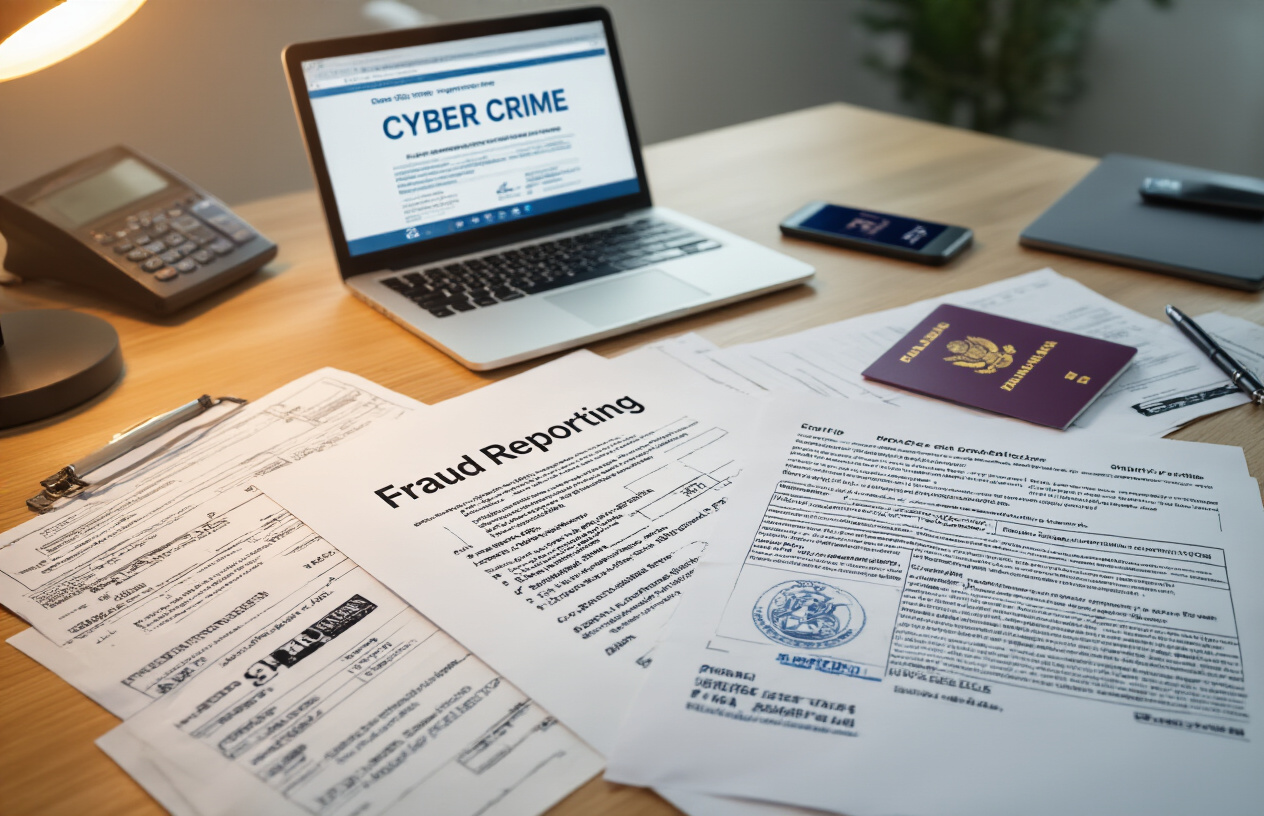
Bank Statements Showing Fraudulent Transactions
Your bank statements serve as the most crucial evidence when reporting cyber crime in India. You’ll need to provide bank statements from the last six months from all accounts involved in the fraudulent transactions. These statements must clearly show the unauthorized transactions, including the exact amounts, dates, and recipient details.
When gathering these documents, ensure you collect statements in both hard copy and soft copy formats. The soft copies should be provided on CD-R only, as specified by cyber crime cells. Additionally, make copies of all SMS messages you received related to the alleged transactions, as these provide real-time evidence of the unauthorized activities.
For business email compromise cases, you’ll need to provide comprehensive financial information including originating and recipient bank details, account numbers, SWIFT numbers, transaction dates, and amounts. This detailed financial documentation helps investigators trace the money trail effectively.
Screenshots of Chats, Emails, and Call Records
Digital communication evidence forms the backbone of your fraud complaint documentation. You must provide screenshots of all conversations, emails, and communication records with the fraudsters. When dealing with email-related complaints, ensure you capture the full header of emails from the original receiver – avoid using forwarded email copies as they may not contain complete technical details.
For social media related frauds, take screenshots of alleged content, profiles, and the URL of the fraudulent content. These screenshots should be available in both hard and soft formats, with soft copies stored on CD-R only. If the fraud involved mobile apps, capture screenshots of the malicious application and document the location from where it was downloaded.
When reporting ransomware complaints, document the email addresses, phone numbers, or any communication channels through which ransom was demanded. If malware was sent via email attachment, provide screenshots of the complete email with full headers from the first receiver.

Identity Proof Documents (Aadhar, PAN)
Your identity verification documents are mandatory for processing any cyber crime complaint in India. You’ll need to submit copies of your ID proof and address proof exactly as they appear in your bank records. This typically includes your Aadhar card and PAN card, ensuring consistency across all submitted documents.
These identity documents serve multiple purposes: they establish your legitimate ownership of the affected accounts, provide authorities with your verified contact information, and help distinguish you from potential fraudulent complainants. The documents must match the names and addresses registered with your financial institutions to avoid processing delays.
Complaint Acknowledgment Numbers for Tracking
Once you submit your documentation to the cyber crime helpline, you’ll receive complaint acknowledgment numbers that are essential for tracking your case progress. These reference numbers serve as your primary means of communication with investigating authorities and should be preserved carefully.
The acknowledgment numbers allow you to follow up on your complaint status, provide additional evidence when required, and maintain a clear record of your reporting timeline. Keep multiple copies of these numbers and note them down separately from your other documents to ensure you can always reference your case, even if other paperwork is misplaced.
For immediate reporting of cyber financial fraud, remember to call 1930 (available 24*7) and visit cybercrime.gov.in for additional guidance. Your prompt action in gathering and submitting proper documentation significantly increases the chances of successful fraud investigation and potential money recovery.
Proven Prevention Strategies to Avoid Future Fraud

Never Share Bank Details, OTPs, or UPI PINs
Your financial information is your most valuable digital asset, and protecting it requires absolute vigilance. Never share your bank account details, One-Time Passwords (OTPs), or UPI PINs with anyone, regardless of how legitimate their request may seem. Scammers have become increasingly sophisticated in their approach, often impersonating bank officials, customer service representatives, or government authorities to trick you into revealing sensitive information.
Banks and legitimate financial institutions will never ask you to share OTPs, PINs, or passwords through phone calls, emails, or text messages. These authentication codes are designed for your personal use only and should remain confidential at all times. When you receive an OTP, remember that it’s meant to verify your identity for transactions you’re personally initiating – not for someone else to use on your behalf.
Be particularly cautious of calls claiming urgent account issues or suspicious activities that require immediate verification of your credentials. Scammers often create a sense of urgency to pressure you into making hasty decisions. If you receive such calls, hang up and directly contact your bank using official channels to verify any concerns about your account.
Verify Payment Links Before Transactions
Now that we’ve established the importance of protecting your credentials, let’s focus on another critical prevention strategy: verifying payment links before completing any transactions. QR code scams and fraudulent payment links have become increasingly prevalent across India, making verification essential for your financial safety.
Before scanning any QR code or clicking on payment links, take a moment to examine the source carefully. Scammers often place fake QR codes on posters, in emails, or through messaging apps that redirect you to malicious websites designed to steal your information. These fraudulent links may appear legitimate but can lead you to fake websites that mimic trusted payment platforms.
Always double-check the URL of any payment page before entering your details. Look for secure indicators such as “https://” at the beginning of the web address and verify that the domain name matches the official website of the service you’re using. If you notice any spelling errors, unusual characters, or unfamiliar domain extensions, avoid proceeding with the transaction.
When making payments at restaurants or retail outlets, ask the merchant to confirm that the QR code belongs to their official payment system. If possible, type the payment URL manually instead of scanning codes from unknown sources. This extra step can save you from falling victim to sophisticated QR code scams that have affected numerous individuals across India.

Avoid Unverified Investment and Gaming Apps
With the growing popularity of digital investments and online gaming, scammers have increasingly targeted these sectors to exploit unsuspecting users. Investment scams, particularly those involving cryptocurrency opportunities, have become a significant threat, with fraudsters promising unrealistic returns to lure victims into their schemes.
Be extremely cautious of investment apps or platforms that aren’t regulated by recognized financial authorities in India. Legitimate investment platforms are typically registered with organizations like SEBI (Securities and Exchange Board of India) and provide transparent information about their licensing and regulatory compliance. Before investing through any app, research the company thoroughly and verify their credentials through official regulatory websites.
Gaming apps that promise easy money or require upfront payments should raise immediate red flags. Many fake gaming platforms ask users to pay registration fees or deposits with the promise of earning substantial returns through gameplay. These are classic signs of fraudulent schemes designed to collect your money without providing any legitimate services.
Always download apps from official app stores and read user reviews carefully. Be skeptical of apps with limited reviews or those that have been recently launched without established credibility. If an investment or gaming opportunity seems too good to be true, it most likely is a scam.
Enable Transaction Alerts on SMS and Email
Previously, we’ve discussed prevention strategies that require your active participation. Now, let’s explore a passive yet highly effective method to prevent online fraud: enabling comprehensive transaction alerts on both SMS and email for all your financial accounts.
Real-time transaction notifications serve as your first line of defense against unauthorized activities on your accounts. Configure your banking apps and payment platforms to send immediate alerts for all transactions, regardless of the amount. This includes alerts for successful payments, failed transactions, login attempts, and any changes to your account settings.
Most secure payment apps offer customizable notification settings that allow you to choose the types of alerts you receive. Enable notifications for account logins from new devices, password changes, beneficiary additions, and limit modifications. These alerts help you monitor your accounts continuously and detect suspicious activities before they escalate into significant financial losses.
When you receive transaction alerts, review them promptly and verify that all activities are authorized by you. If you notice any unfamiliar transactions or login attempts, immediately contact your bank or payment service provider to report the suspicious activity. Quick response to unauthorized transactions significantly increases your chances of recovering lost funds and preventing further fraud.
Keep your contact information updated across all financial platforms to ensure you receive these critical alerts without delay. Regularly check that your SMS and email preferences are properly configured, as this monitoring system is essential for maintaining the security of your digital financial ecosystem.

Time is your most critical asset when dealing with online fraud. The sooner you report to the 1930 helpline, file a complaint on cybercrime.gov.in, and notify your bank, the higher your chances of recovering your lost funds. Remember that fraudsters work quickly to move stolen money through multiple accounts, but prompt action can help authorities freeze these transactions before it’s too late.
While recovering money from online fraud presents challenges, it’s far from impossible with the right approach. By following the proper documentation process, understanding available legal remedies, and seeking expert guidance when needed, you can significantly improve your recovery prospects. Take these prevention strategies to heart – verify links before payments, never share OTPs or banking details, and stay vigilant against suspicious investment schemes. Your financial security depends on both quick response during fraud incidents and proactive protection against future threats.
Also Read: 90% of Indian Investors Fall for These 7 Foreign Scams