
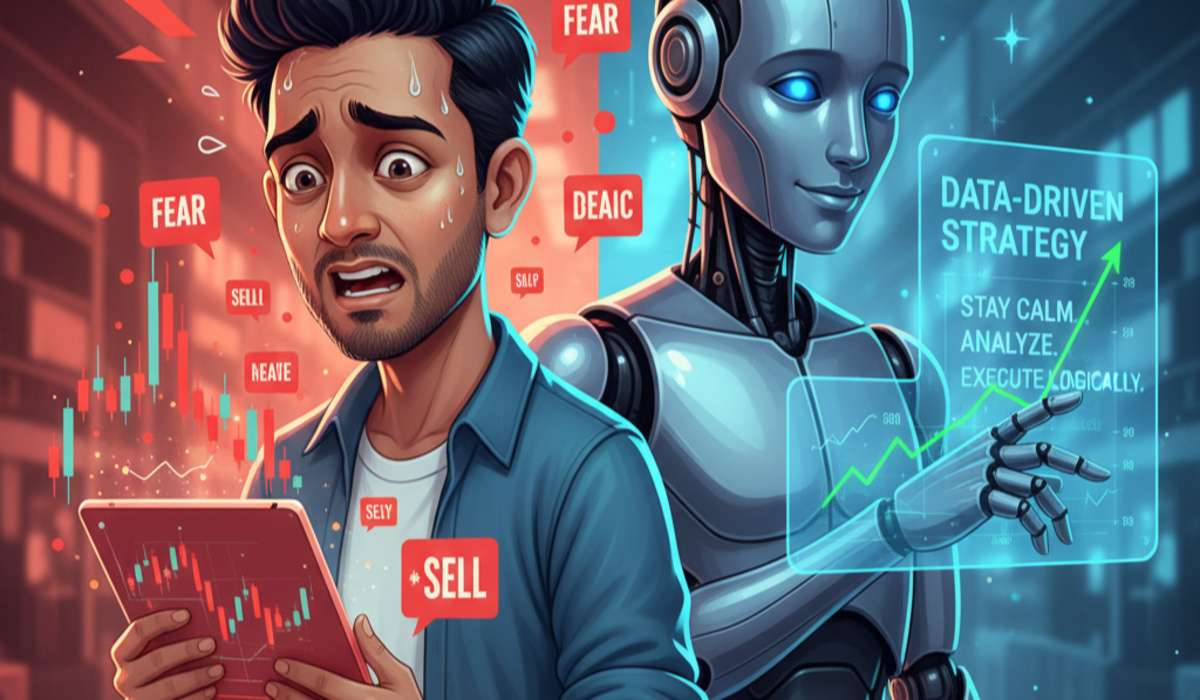
Every time the Indian stock market takes a hit, the same question starts circulating across trading forums, Telegram channels, and WhatsApp groups: Can AI predict a market correction before it happens? It’s a reasonable question. With AI-powered stock analysis tools becoming mainstream and algorithms now driving a significant share of global trading, many investors believe technology should be able to spot trouble early and signal when markets are about to turn.
But the reality is far more complicated. The Indian market does not move on historical data alone. It reacts to geopolitical tensions, crude oil price spikes, foreign investor sell-offs, policy uncertainty, and investor panic — variables that often arrive without warning. Even sophisticated systems that attempt to AI predict stock movements struggle when markets become noisy or sentiment-driven. The recent corrections caught not only retail investors but also advanced predictive models off guard.
So, can AI predict Indian stock market corrections, or is it mostly pattern recognition wrapped in hype? This article explores what AI genuinely does well in stock market analysis, where its limitations begin, and how investors can use AI intelligently without falling into the trap of blind trust. More importantly, we’ll look at why combining AI insights with research, risk management, and financial planning still matters more than any prediction model.
The AI Promise: Revolutionizing Stock Market Analysis
How AI and Machine Learning Power Market Insights
Most investors I meet ask the same question. Can technology really pick winning stocks better than humans?
The short answer is complicated. But first, let’s understand what AI actually does in stock market analysis.
Artificial Intelligence and machine learning are transforming how we analyze markets. These systems process data at speeds impossible for humans. They scan thousands of company reports, price movements, trading volumes, and economic indicators in seconds. What would take an analyst weeks happens in minutes.
AI algorithms spot patterns that slip past even experienced traders. Think of it like this.
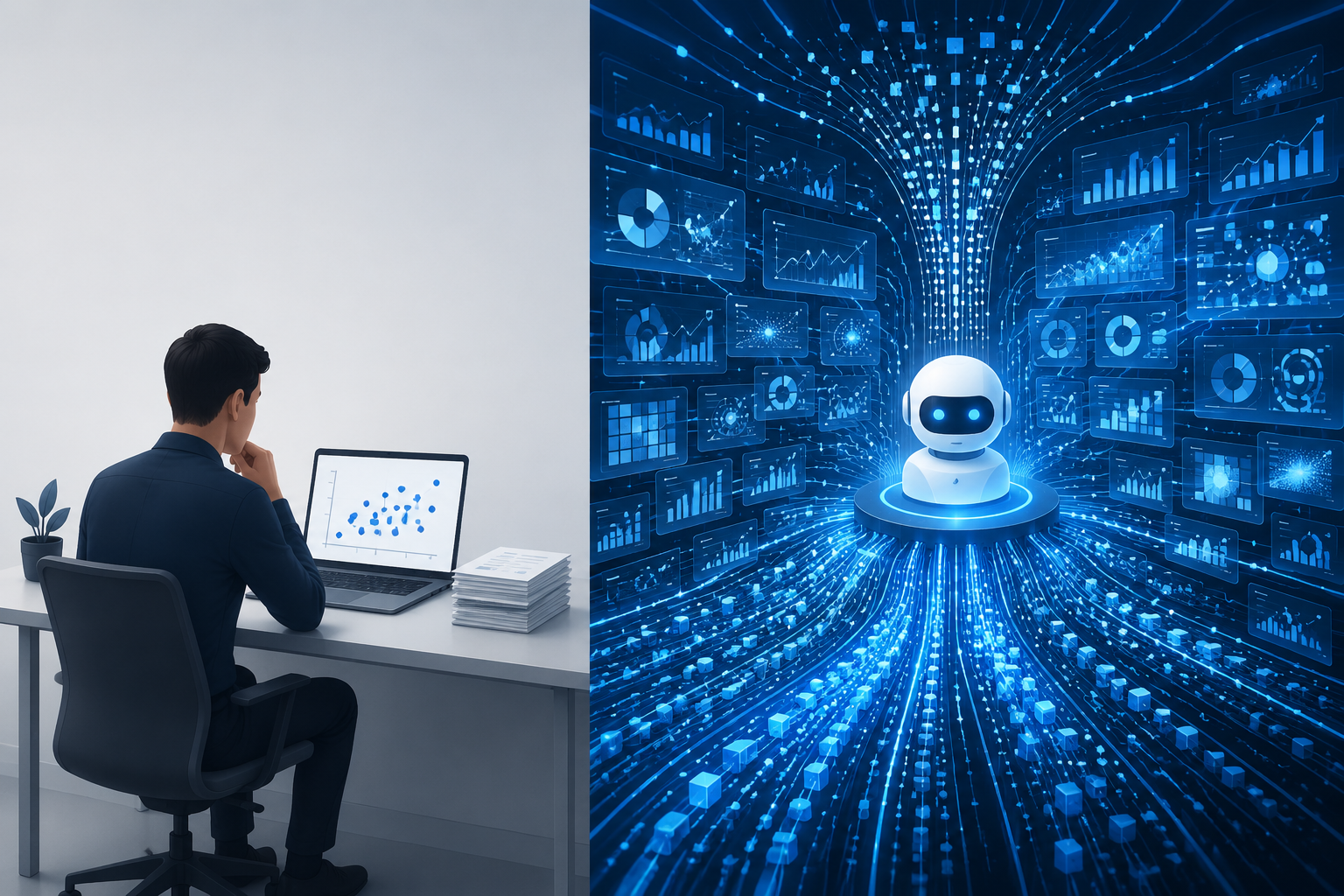 A human analyst might track 20 variables across 50 stocks. An AI system tracks 500 variables across 5,000 stocks simultaneously. The difference is massive.
The technology relies on several core algorithms. Regression algorithms predict future prices based on historical relationships between variables. Decision trees break down complex decisions into simple yes/no questions, helping identify when to buy or sell. Neural networks mimic how our brains work, creating layers of analysis that recognize incredibly subtle patterns in market behavior.
Machine learning models improve constantly. Each trade, each market movement, each correction feeds back into the system. The algorithms adapt. They learn from mistakes. A model that struggled during last year’s volatility becomes sharper this year because it absorbed those lessons.
Real-time analysis changes everything. During my time at ICICI Prudential, I watched institutional investors gain huge advantages through millisecond-level data analysis. Now retail investors access similar tools. AI platforms deliver instant market updates, personalized stock recommendations based on your risk profile, and automated trading that executes strategies while you sleep.
This democratization matters enormously for Indian investors. Tools once locked behind institutional walls now sit on your smartphone.
AI’s Current Applications in the Indian Stock Market
The Indian stock market is rapidly embracing AI-driven platforms. Shoonya and similar platforms now offer AI-powered prediction tools directly to retail traders. These aren’t just fancy charts. They’re sophisticated systems analyzing market sentiment, technical indicators, and fundamental data.
Processing speed drives real value. When quarterly results drop, AI systems digest hundreds of pages instantly. They compare performance against sector peers, historical patterns, and market expectations. You get actionable insights within minutes, not days.
One massive advantage? Removing emotional bias. I’ve invested in stocks for over 10 years. Fear and greed still tug at me during volatility. AI doesn’t panic during market crashes. It doesn’t get euphoric during rallies. Decisions come from data and statistics, not gut feelings or morning headlines.
The numbers tell the story.
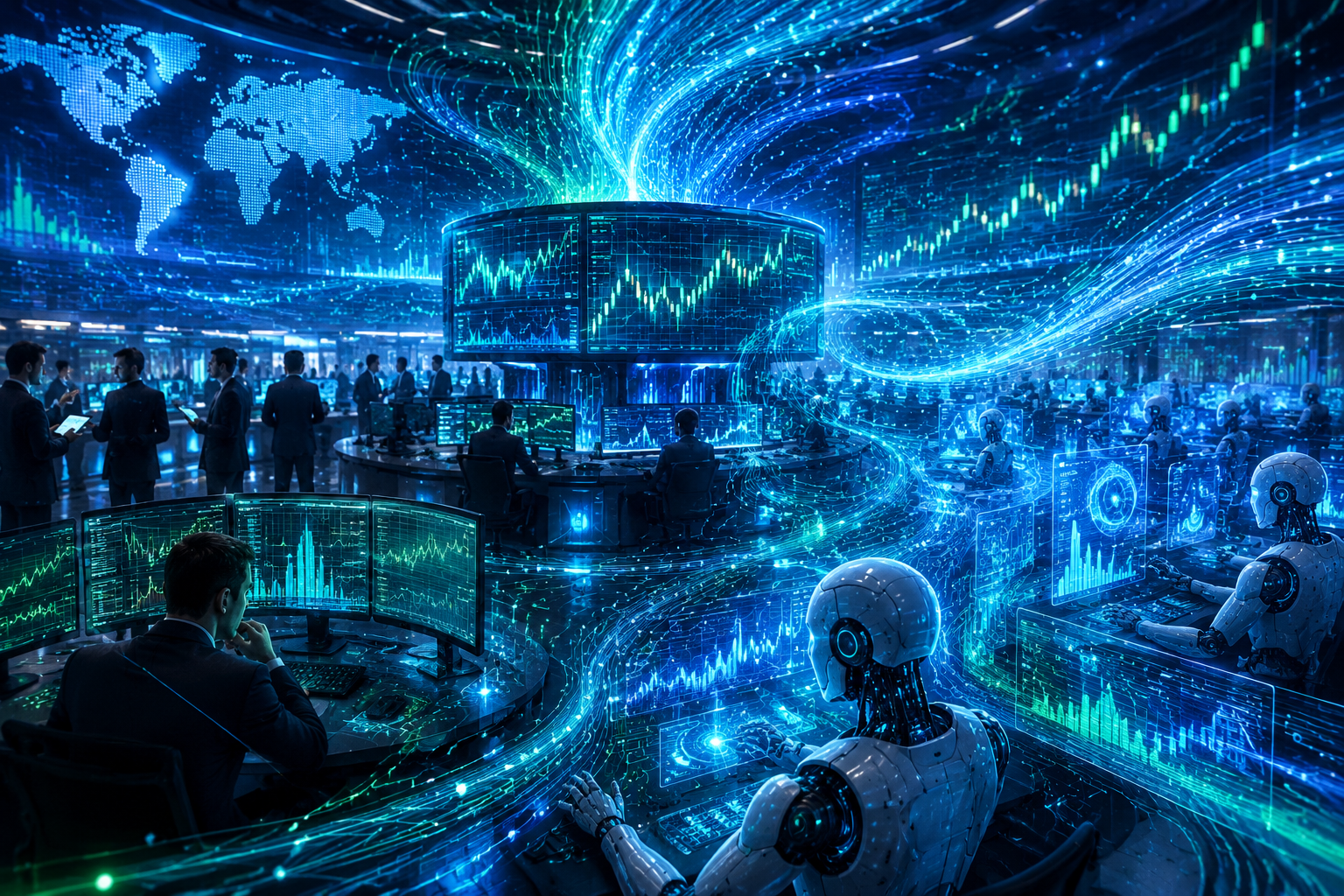 Between 60% to 70% of global trades now happen algorithmically. These automated systems don’t sleep. They execute trades based on predefined rules, capture micro-opportunities, and manage risk continuously.
But here’s what most articles won’t tell you. Having AI tools doesn’t guarantee profits. The real question isn’t whether AI works. It’s whether AI can consistently predict market corrections, especially in India’s unique market environment.
Beyond the Hype: Why AI Can’t Fully Predict Indian Market Corrections
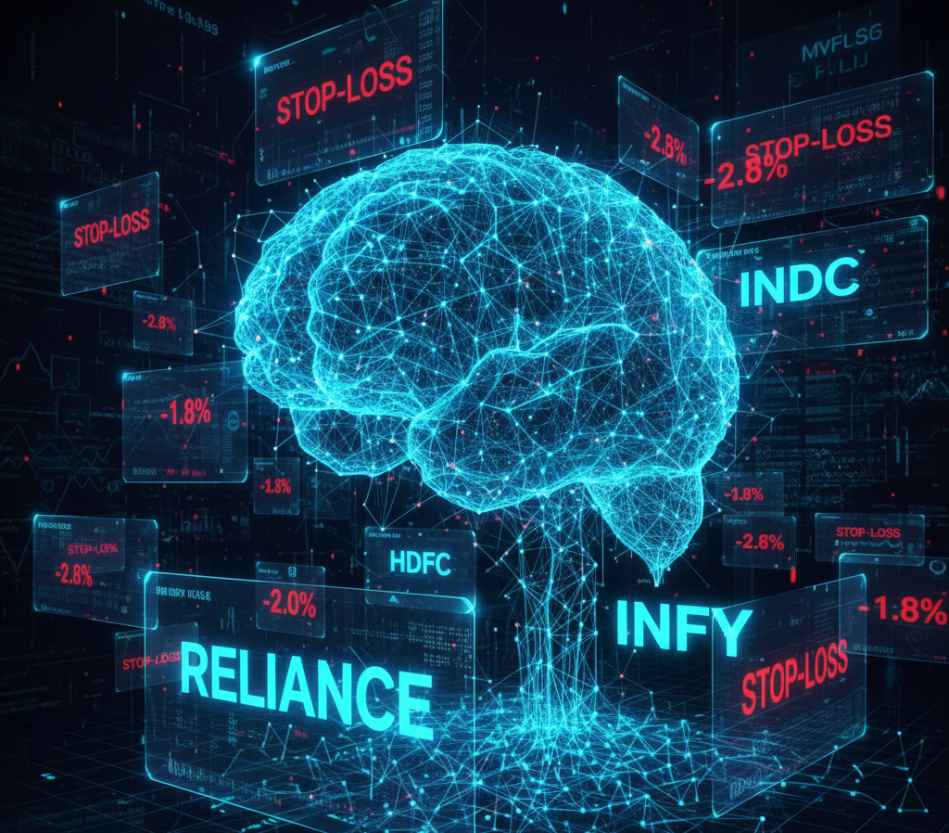
Inherent Limitations of AI in Financial Forecasting
AI sounds revolutionary. It promises to scan millions of data points and spot patterns we’d miss. But here’s the truth: AI, like us, cannot see the future.
I’ve spent over a decade analyzing markets and testing various tools. One thing became clear early on. Past data helps, but it doesn’t predict surprises. Financial markets move on news, policy shifts, geopolitical events, and plain human panic. None of these fit neatly into historical patterns.
AI models work brilliantly in stable conditions. Feed them clean data from predictable scenarios, and they deliver sharp insights. But throw in a black swan event like a pandemic, war, or sudden regulatory change, and these models stumble. They have no reference point. The 2010 Flash Crash showed how small glitches in automated systems spiraled into massive losses within minutes. A minor data error cascaded across interconnected algorithms, wiping billions off the market before anyone could react.
There’s another problem. Complexity. Most AI algorithms function as black boxes. Even experienced investors struggle to understand how neural networks arrive at specific predictions. This opacity creates risk. You’re trusting a system you can’t fully decode. When markets turn volatile, that trust gets tested hard.
Data quality matters immensely. AI models are susceptible to bias from flawed or incomplete datasets. Garbage in, garbage out. If training data misrepresents market conditions or carries hidden biases, predictions will mislead rather than guide. I’ve seen this firsthand with backtested strategies that looked brilliant on paper but failed miserably in live markets.
Unique Challenges of the Indian Market and the ‘Noise’ Factor
The Indian stock market adds layers of complexity that test even the smartest algorithms.
Start with global uncertainty. India’s market faces macroeconomic headwinds and geopolitical tensions that shift daily. Trade wars, crude oil price swings, currency fluctuations. These variables create ‘noise’ that drowns out clear signals. AI struggles to filter signal from noise when external shocks dominate.
Look at recent corrections. Experts noted market underperformance since late February appeared disproportionate to fundamental conditions. Sentiment drove prices, not just earnings or growth data. Foreign institutional investors liquidated positions aggressively, triggering sell-offs that algorithms couldn’t anticipate purely through technical analysis.
India’s sensitivity to oil prices adds another unpredictable dimension. We import over 80% of our crude oil needs. When prices spike, it hits our current account, weakens the rupee, and triggers inflation fears. All this happens fast. AI models trained on stable commodity prices miss these sudden shifts.
Valuations tell part of the story. Nifty’s price-to-book ratio can signal oversold conditions. But timing recovery? That depends on policy decisions, monsoon performance, election outcomes, and global risk appetite. Human sentiment, irrational behavior, and unexpected events create market noise that no algorithm can consistently decode.
Balancing AI Insights with Human Expertise and Financial Planning

AI is a tool, not a crystal ball.
Successful investing in India demands balance. Use AI for what it does well: processing large datasets, identifying patterns, spotting anomalies quickly. But don’t outsource your judgment entirely. I’ve tested several AI-powered platforms over the years. They excel at screening stocks, tracking trends, and flagging opportunities. Yet the final call always requires human context.
Continuous validation matters. Investors need to assess AI models regularly, checking performance across different market conditions. What works in a bull run may fail during corrections. Risk management controls become essential, especially with algorithmic trading systems that execute at lightning speed.
Data quality can’t be ignored. Train models on accurate, representative datasets. Poor data leads to poor decisions, amplified across automated trades.
Combine AI insights with your own research.
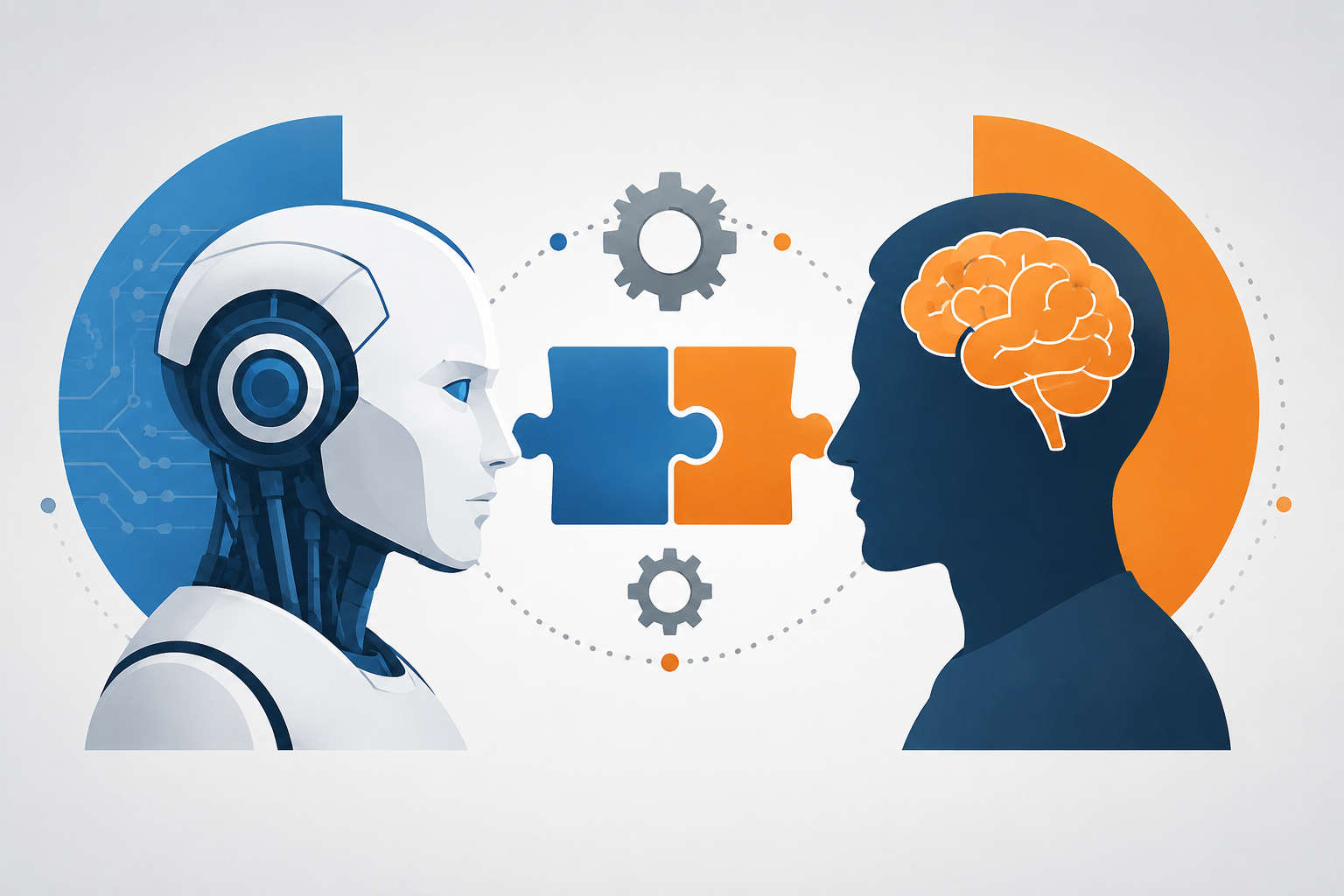 Understand the businesses you invest in, the sectors driving growth, and the risks lurking beneath valuations. A robust financial planning strategy anchors your decisions, preventing you from chasing predictions blindly.
Platforms like Paisa Forever help by offering comprehensive market analysis and expert perspectives grounded in real-world experience. Staying informed through trusted resources allows you to leverage AI’s strengths while maintaining the human oversight that markets ultimately demand. Build resilient portfolios by blending technology with wisdom. That’s how long-term wealth gets created.
Also Read: ChatGPT Prompts for Indian Stock Research going into 2026
Disclaimer: This article is for educational and informational purposes only and should not be considered financial or investment advice. AI-powered tools can assist with market analysis but cannot guarantee stock market predictions or investment outcomes. Always conduct your own research, assess risk tolerance, and consult a qualified financial advisor before making investment decisions. Past market behavior does not guarantee future results.